The Innovation Arm of the Department of the Air Force
AFWERX, the innovation arm of the Department of the Air Force (DAF) and powered by the Air Force Research Laboratory (AFRL), connects American Ingenuity with the DAF’s most pressing challenges. We cultivate and transition impactful emerging technologies to deter and win wars by empowering Airmen and Guardian talent and expanding the defense industrial base for advanced technologies.

Our Core Mission
Mission
AFWERX accelerates agile and affordable capability transitions by teaming leaders in innovative technology with Airmen and Guardian talent.
Vision
Forge an innovation ecosystem that delivers disruptive Air and Space capabilities.
Mantra
Unleashing American Ingenuity
How We Operate
The AFWERX team operates three core divisions to drive innovation.




Our Leadership
Colonel Nathan C. Stuckey
Colonel Nathan C. Stuckey is the Director of AFWERX and the Chief Commercialization Officer for the Department of the Air Force. He leads the strategy and execution of approximately $1.4 billion per year across the U.S. Air Force and U.S. Space Force.
News & Success Stories
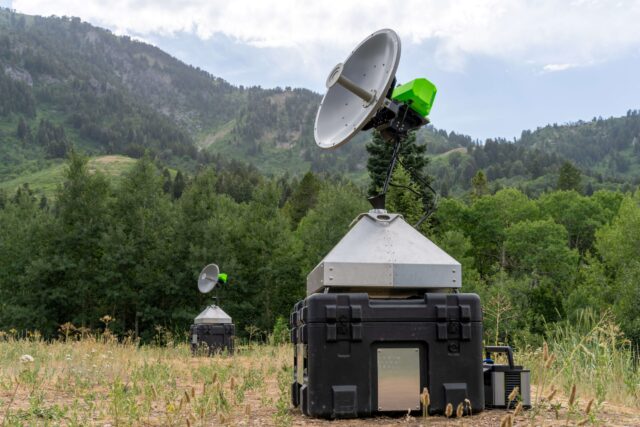
AFWERX SBIR/STTR Program Powers More Realistic Air Force Training
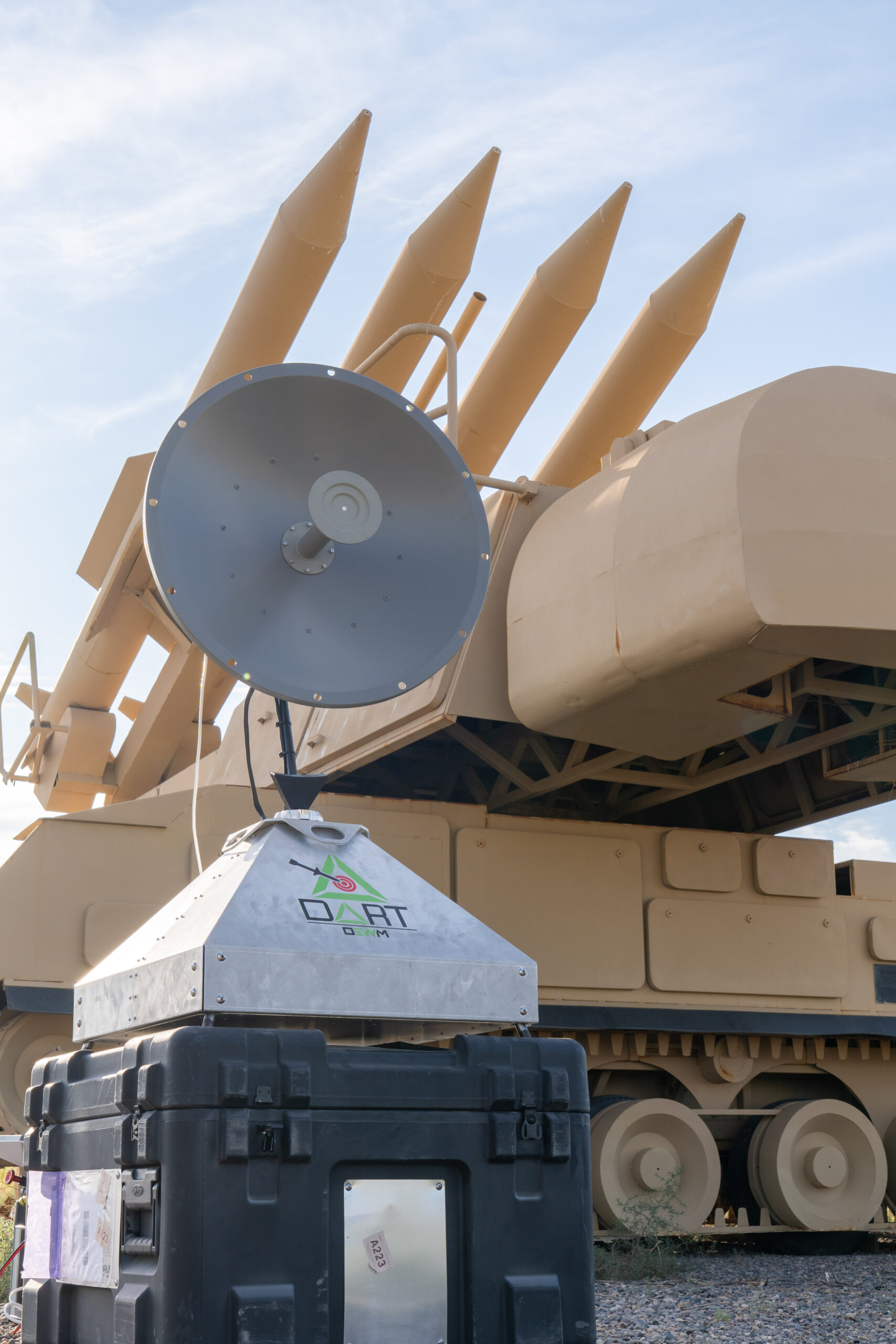
DAYTON, Ohio – Through the AFWERX Small Business Innovation Research (SBIR) program, the Department of the Air Force partners with small businesses to develop technologies that address operational and training challenges. One example is work by Disruptive Electronic Warfare Machines (DEWM) on its Attritable Radar Target, or DART, system, which supports electronic warfare training by increasing target density and mobility.
DART is a man-portable radar threat system designed to replicate modern adversary signals. It can be set up in about 10 minutes and operated remotely, including beyond line of sight. Unlike legacy fixed training emitters, DART can be repositioned and reprogrammed, allowing instructors to create dynamic threat scenarios that reflect real-world conditions. Its software-defined open architecture supports a range of training requirements and has been demonstrated on truck-mounted, waterborne and autonomous platforms. The system has been tested with the F-16 Fighting Falcon, F-35 Lightning II, F-15EX Eagle II and EA-18G Growler. It also received Joint Frequency Allocation Panel, or JF-12, approval.
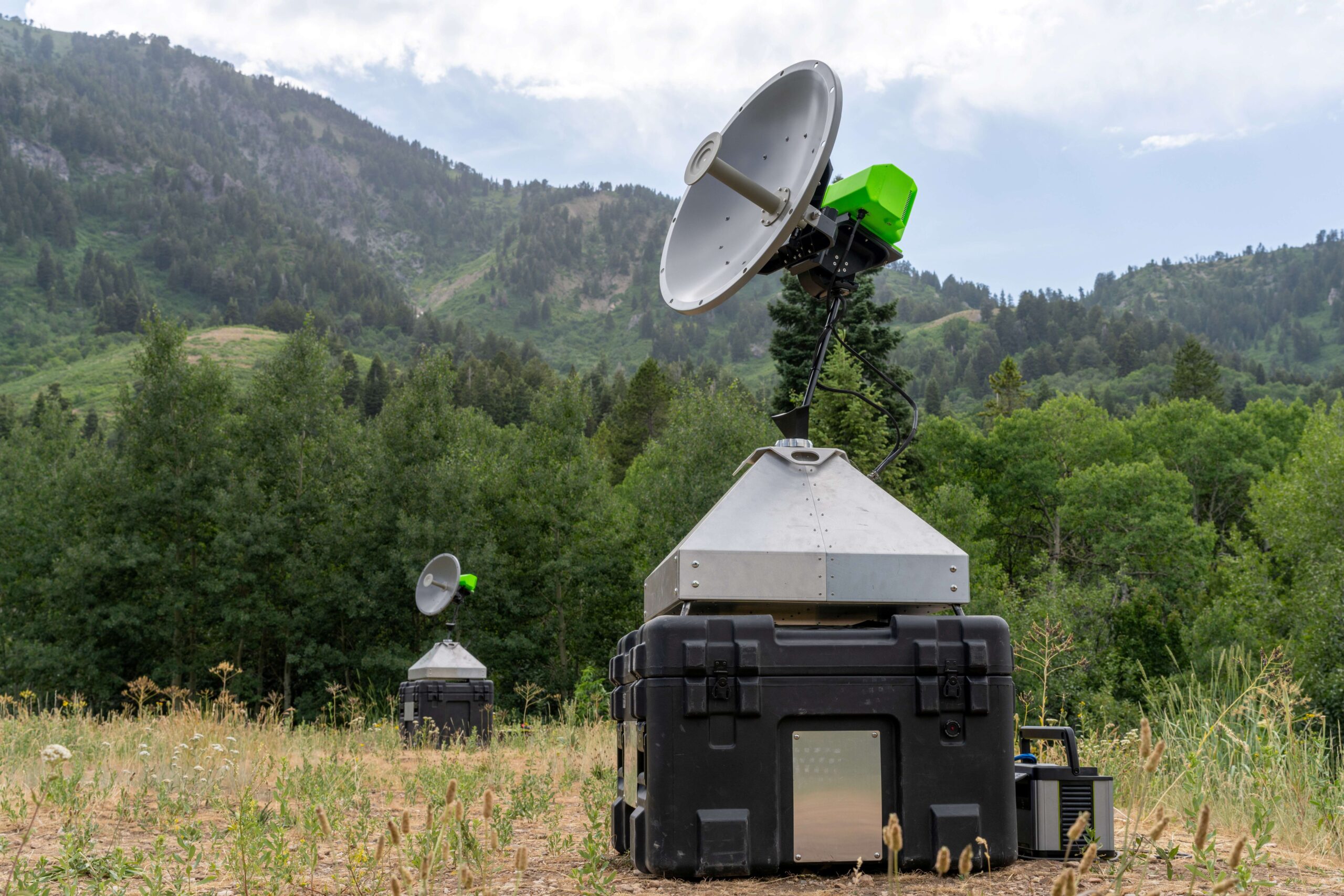
DART is a man-portable radar threat system designed to replicate modern adversary signals. It can be set up in about 10 minutes and operated remotely, including beyond line of sight. (Courtesy of Disruptive Electronic Warfare Machines)
DEWM, a U.S. Air Force veteran-founded small business, reached a key milestone in 2025 with the delivery of its 50th DART unit. AFWERX supported this progress through a Direct-to-Phase II (D2P2) SBIR award, which allows companies to advance technology development more quickly when prior work demonstrates readiness. In September 2025, AFWERX awarded the D2P2 SBIR to expand DART’s capabilities to X-band frequencies, building on earlier C-band development and proven S-band performance.
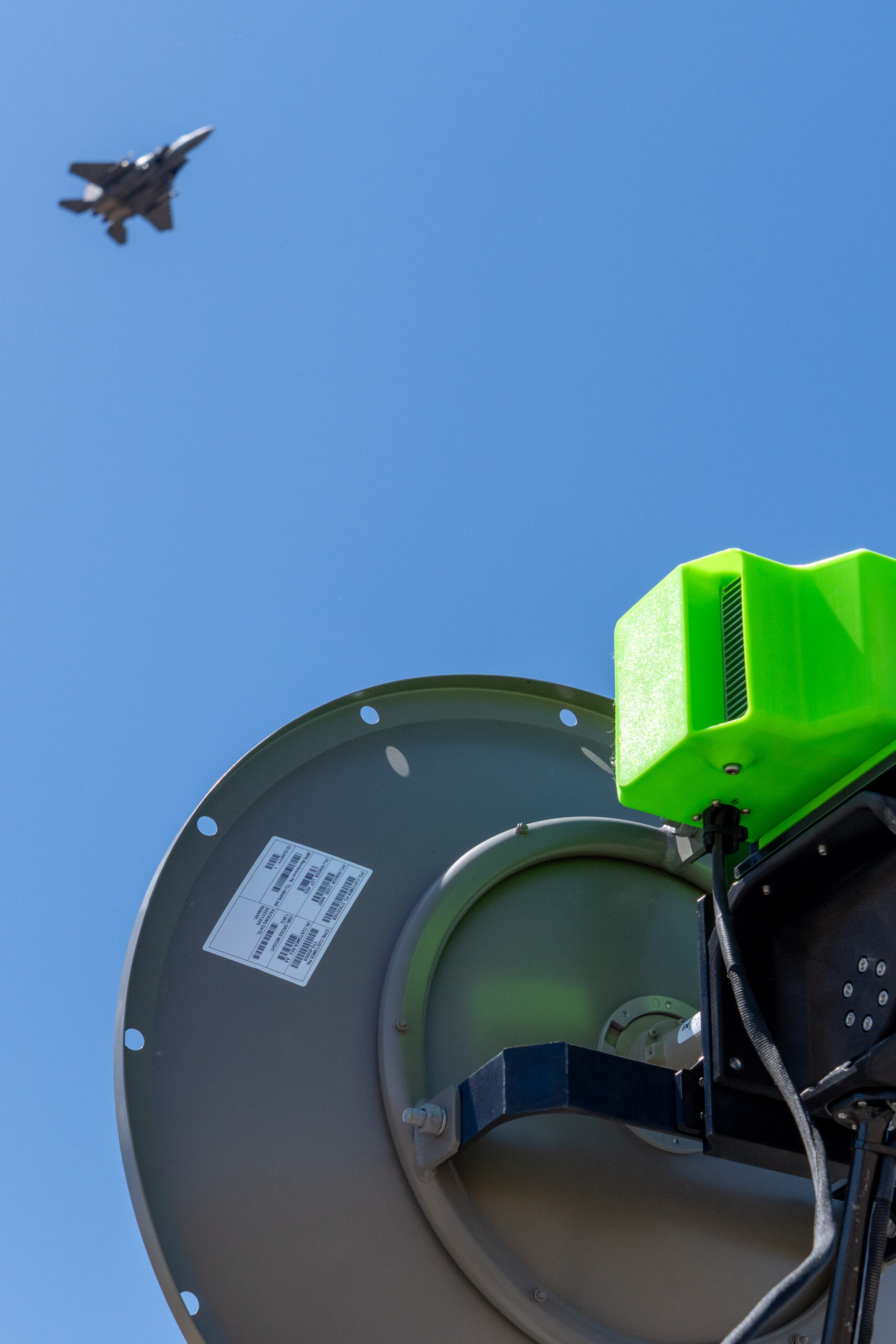
In October 2025, DART units were delivered for operational training use at Eglin Air Force Base, Florida, and Gulfport Combat Readiness Training Center, Mississippi. The deliveries marked a transition from test and development activities to operational training integration. The mobile systems allow instructors to replicate mobile surface-to-air missile threats, compared with fixed legacy emitters used in traditional training.
In 2025, DART advanced into Phase III SBIR contracts, representing the transition from research and development into production, delivery or sustained use with funding from operational organizations. Department of the Air Force organizations funding Phase III DART contracts included:
- 301st Operations Group, Joint Base Lewis-McChord, Washington, $1.1 million.
- U.S. Air Forces in Europe and Air Forces in Africa, $403,750.
- 99th Logistics Readiness Squadron, Nellis Air Force Base, Nevada, $120,400.
- 33rd Fighter Wing, Eglin Air Force Base, Florida, $101,200.
AFWERX’s SBIR program accelerates the transition of technologies like DART from early development into operational use. By aligning small business innovation with DAF needs, AFWERX fosters more adaptable and effective capabilities for today’s and future missions.
*Disclaimer: References to non-federal entities do not constitute or imply Department of War or Air Force endorsement of any company or organization.

AFWERX, SpaceWERX SBIR/STTR Program Spearheads Space Mobility for Enhanced Logistics and Debris Management
EL SEGUNDO, Calif. — Starfish Space, with support from SpaceWERX, has developed a revolutionary space vehicle designed to service or remove satellites from orbit. The Tukwila, Washington-based aerospace firm’s Otter spacecraft, combined with its advanced software and docking device, enables satellite maneuverability, lifespan extension, and debris mitigation.
Since 2021, AFWERX has awarded Starfish Space 10 SBIR contracts and three STTR contracts, demonstrating the DAF’s commitment to innovative technologies. These contracts have supported the development of Starfish’s Otter spacecraft and its various components, including the Cetacean computer vision navigation software and the Nautilus docking device.
The DAF benefits significantly from Starfish Space’s technology, which enhances satellite-servicing capabilities, improves satellite maneuverability and resilience, and advances space-sustainability efforts. This aligns with the DAF’s goals of maintaining a technological advantage in space and ensuring the long-term viability of space operations.

Looking ahead, Starfish Space is advancing its technology and operational capabilities, securing significant contracts with the Space Force and NASA. A $37.5 million STRATFI contract will deploy the Otter spacecraft in geostationary orbit by 2026, while a $15 million NASA contract will utilize Otter for a debris inspection mission.
In May 2024, Space Systems Command (SSC) in partnership with SpaceWERX awarded Starfish Space a $37.5 million STRATFI contract. That agreement calls for Starfish to build, launch and operate an Otter satellite vehicle designed to conduct a docking mission to provide “augmented maneuver” capability for national security space assets. The effort is part of a strategic collaboration that also includes Space Safari, SSC’s Commercial Space Office as well as its Assured Access to Space organization.
With private funding exceeding $50 million, Starfish Space is poised to launch its first three Otter servicing vehicles in 2026, providing critical services to client satellites for Intelsat, the U.S. Space Force, and NASA.
In addition to its SBIR/STTR work, Starfish Space has also secured Phase III contracts with other government agencies and private companies.
In January 2026, Starfish in a news release stated it has received a $52.5 million contract from the Space Development Agency, part of Space Force, to dispose of satellites at the end of their operational lives. Under the agreement, Starfish will build, launch and operate an Otter spacecraft tasked with deorbiting satellites in the SDA’s Proliferated Warfighter Space Architecture (PWSA) network, a Low Earth Orbit (LEO) constellation, according to the company news release. The LEO, extends from 100 to 1,200 miles above Earth’s surface. SDA plans to place hundreds of satellites in this orbital region over the next few years.
The DAF’s partnership with Starfish Space is a key step towards maintaining its superiority in space and addressing the challenges of space resilience. Space superiority and orbital debris mitigation are priorities of both the Trump Administration and the Department of War (DOW).
*Disclaimer: References to non-federal entities do not constitute or imply Department of War or Air Force endorsement of any company or organization.

AFWERX, SpaceWERX SBIR/STTR Program Supports Counter Threats and Superior ISR Capability
EL SEGUNDO, Calif. — The Challenge:
Today’s modern warfighter requires tactical visual advantages that transcend the capabilities of the human eye and traditional camera images; from patrols aiming to prevent an ambush under dense jungle canopies, to command centers looking to regain sight of isolated friendly personnel, Hyperspectral Imaging (HSI) capability provides the perfect edge for the warfighter to see what others cannot see in real time. While the National Security Strategy (NSS) emphasizes the imperative of maintaining technological superiority, Secretary Pete Hegseth– in his confirmation hearings and public statements– has underscored the focus on “lethality and innovation” and the necessity of rapidly fielding emerging technologies like HSI to counter threats and provide superior ISR capability.

Hyperspectral Imaging, by Orbital Sidekick:
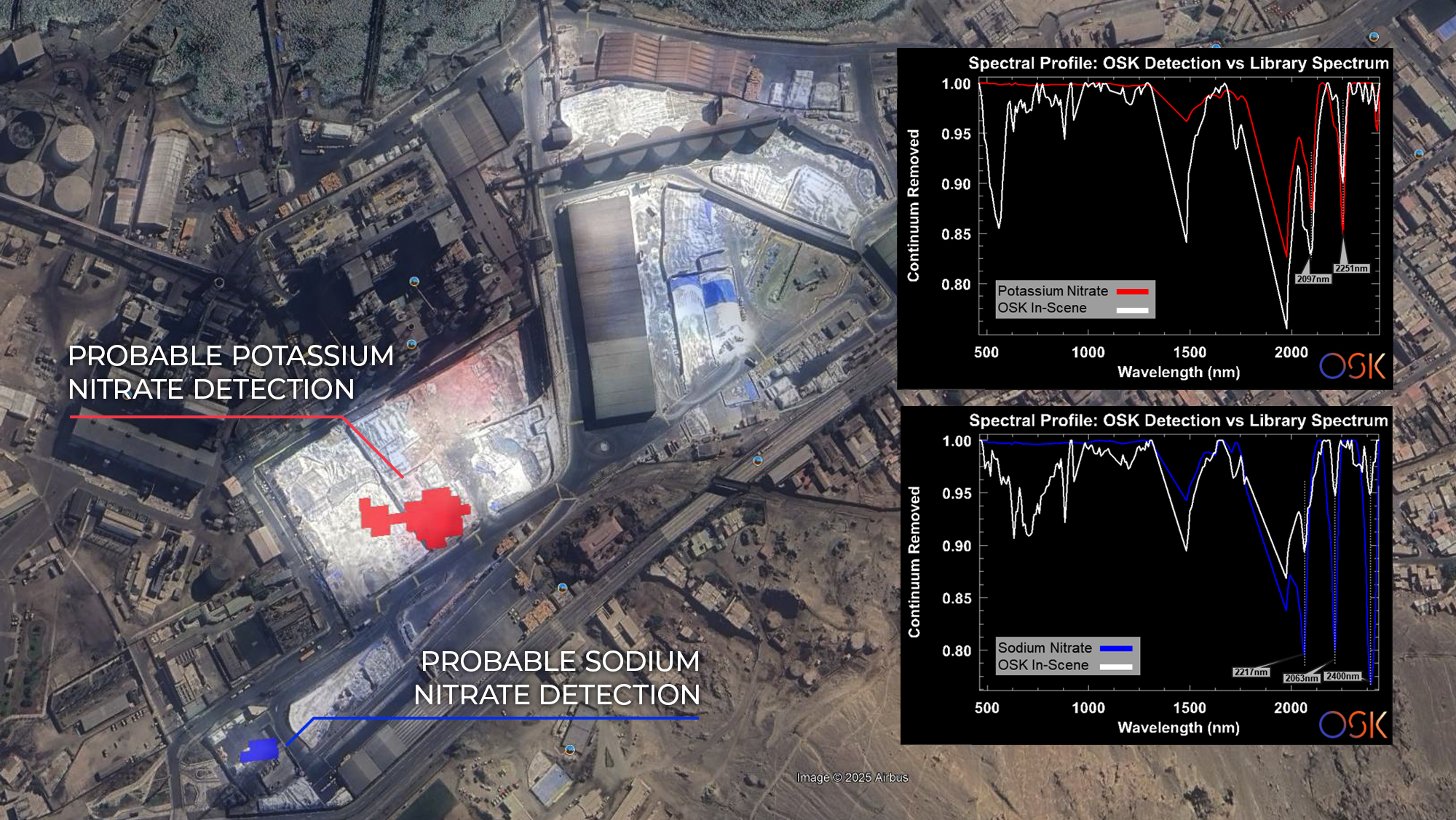
HSI captures and processes information across a wide range of the electromagnetic spectrum, measuring hundreds of narrow spectral bands to provide precise visual identification and analysis of materials, and offering insights beyond the human eye and traditional photography.
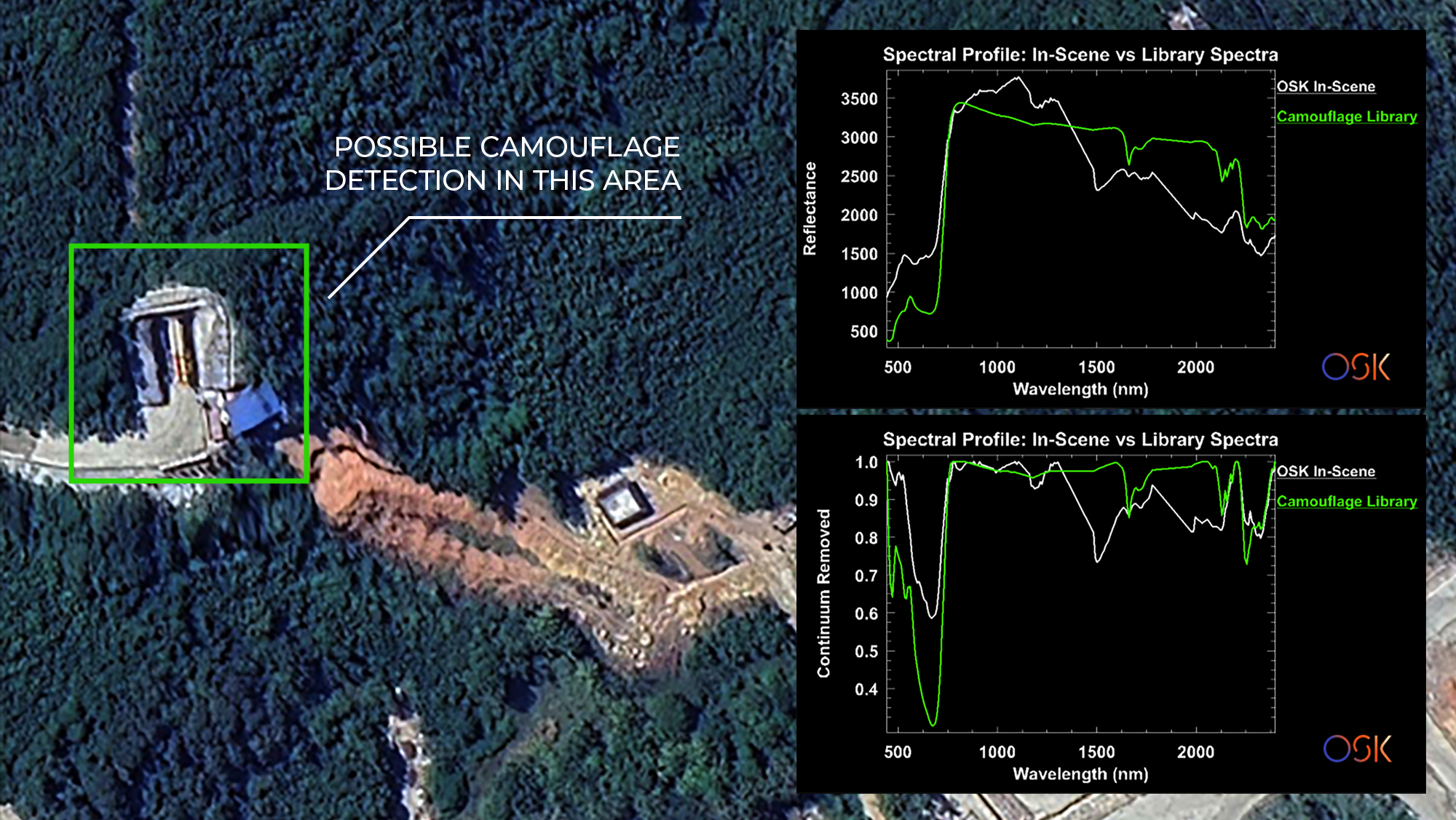
HSI provides detailed spectral information and precise identification and analysis of materials, offering a significant advantage in reconnaissance, surveillance, and target identification, while also enhancing operational effectiveness and safety. This capability directly improves the warfighter’s ability to identify threats in a timely, precise, and comprehensive manner from space, such as through counter-concealment and denial, the detection of fabrics or materials beneath camouflage, change detection in the signature of the earth for mine location, and identification of regions of earth capable of successfully sustaining an airstrip without the need for on-ground inspection.
Orbital Sidekick & AFWERX:
In 2018, Orbital Sidekick applied for the AFWERX open call for innovative defense-related dual-purpose technologies/solutions with a clear Air Force stakeholder need, introducing their Spectral Intelligence analytics platform, a low-cost space-based hyperspectral data infrastructure that would allow for a constellation of small satellites to provide real-time data across the planet. In November 2018, AFWERX awarded Orbital Sidekick with a Phase 1 SBIR award totaling $75,000 to provide support for research in space-based tasking, ground-truthing and validation testing for specific Areas of Interest (AOI) within the Air Force and Space Force.
In March 2019, AFWERX awarded Orbital Sidekick with an additional STRATFI SBIR award totaling nearly $17,000,000 to further their research and development of the HSI technology. The STRATFI award, a key AFWERX mechanism, represented a major investment by Space Systems Command (SSC), a strategic decision to co-invest with private capital to accelerate the deployment of a constellation of satellites, recognizing that a small business alone could not bear the cost of this infrastructure.
In March 2023, OSK launched the GHOSt-1 and GHOSt-2 satellites into orbit. In April 2023, the GHOSt-3 was launched into orbit. All three satellites were commissioned, leading to the launch of GHOSt-4 and GHOSt-5 in March 2024. This growing constellation of satellites enables faster, more informed decisions and supports rapid threat detection, including the identification of chemical weapons, troop movements, and isolated personnel in near-real-time. The satellites also demonstrate critical support capabilities in search and rescue, combat operations, and disaster relief. Current key end-users include AFRL and NASIC.
As a result of AFWERX and SpaceWERX bringing HSI into the defensive industrial base via SBIRs, OSK has gained exposure to additional customers and facilitated further connection within the technological ecosystem. SpaceWERX facilitated the acceptance of HSI as a supported image format in the Global Data Marketplace (GDM), making OSK a successful distributor of imagery and data for any military end-user that utilizes the GDM.

Additional Applications for Orbital Sidekick’s HSI Technology:
Orbital Sidekick’s technology can also be utilized across additional sectors including energy and utilities, where HSI can monitor pipelines for leaks and damage, inspect powerlines for vegetation encroachment and faults, or assist in solar farm performance analysis. HSI can support environmental monitoring through water quality assessment, forest health monitoring, and pollution detection. In the agriculture sector, HSI can assess crop health, analyze soil, and predict crop yield. This dual-use versatility fulfills a key SBIR objective: ensuring that defense-funded innovations achieve commercial scale, thereby strengthening the industrial base and reducing long-term costs for the warfighter.
*Disclaimer: References to non-federal entities do not constitute or imply Department of War or Air Force endorsement of any company or organization.