
AFWERX SBIR/STTR Program Streamlines Aircraft Maintenance
DAYTON, Ohio — Carrying out the precision work required to keep the Air Force’s aging fleet of cargo planes, fighters and bombers in the air demands not only skill and technical knowledge, but also significant time when tasks are performed manually.
Shaped components made of titanium, steel, aluminum and other alloys or composite materials make up an aircraft’s skin, or exterior surface. As with other parts, the aircraft’s outer skin can experience cracking from stress, corrosion and fatigue and must eventually be replaced. Similarly, rivets securing the skin to the frame can rust or become disfigured, making them more difficult to remove.
Traditionally, maintainers remove rivets manually using a twist drill. This approach is not only expensive and labor-intensive, consuming an estimated 3 million hours of Air Force technician time each year, but also physically demanding. It can also result in defect rates of up to 20 percent.
Complicating the process, drill-hole patterns on replacement skins must exactly match those on the original structure. Replicating patterns drilled by hand decades ago increases both the complexity and cost of repairs.
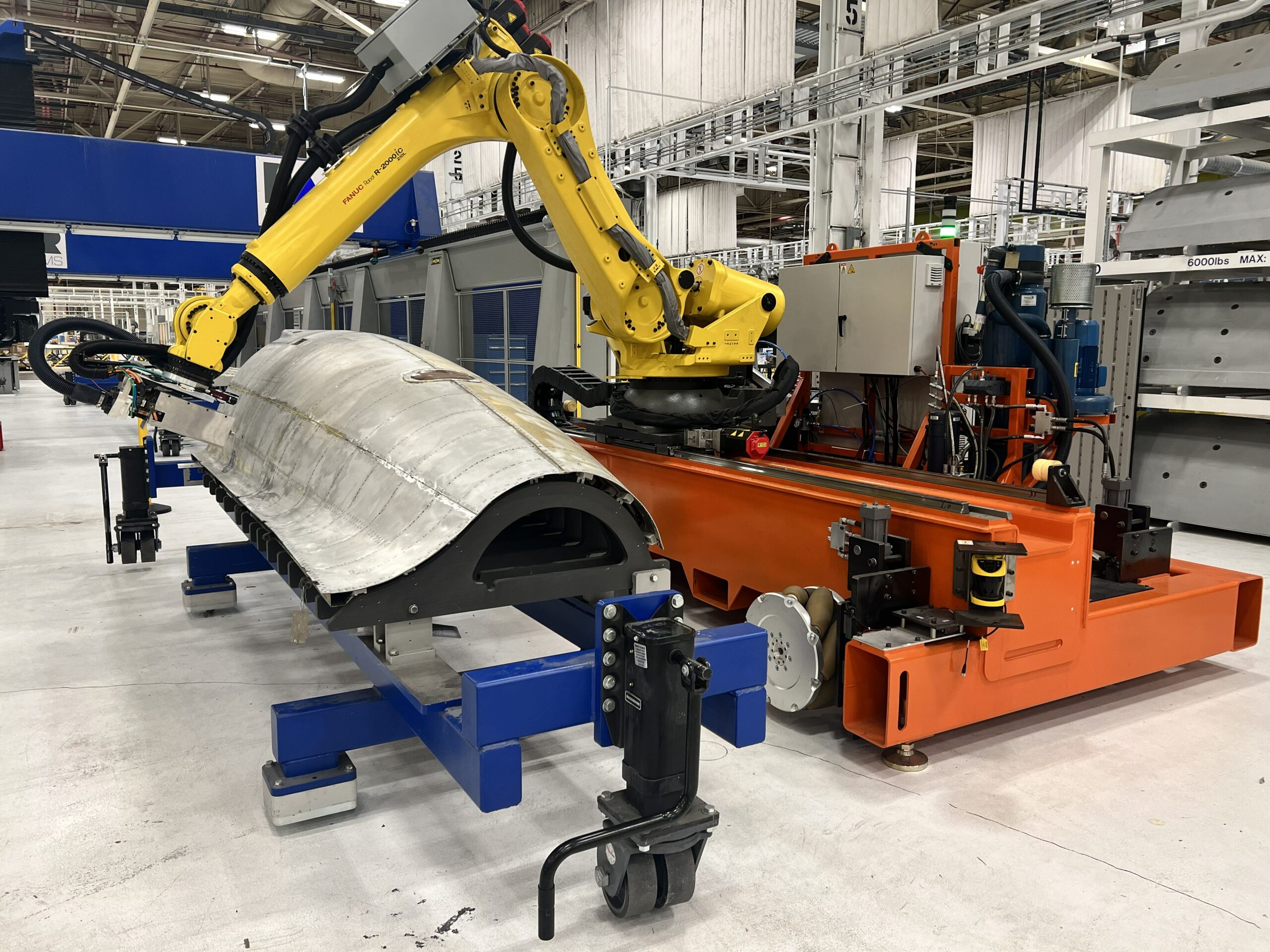
With support from AFWERX and the Department of the Air Force (DAF), Wilder Systems, an Austin, Texas-based aerospace company, is working to address these challenges by leveraging robotics, software and artificial intelligence.
In fiscal 2024, the DAF spent $17 billion on depot-level aircraft maintenance, including replacing structural components, repairing engines and upgrading communications systems on platforms such as the B-1B, B-52 and F-16. Based on customer discovery interviews and Government Accountability Office data, Wilder Systems estimates rivet removal alone costs DAF depots roughly $1 billion annually.
Wilder Systems and AFWERX
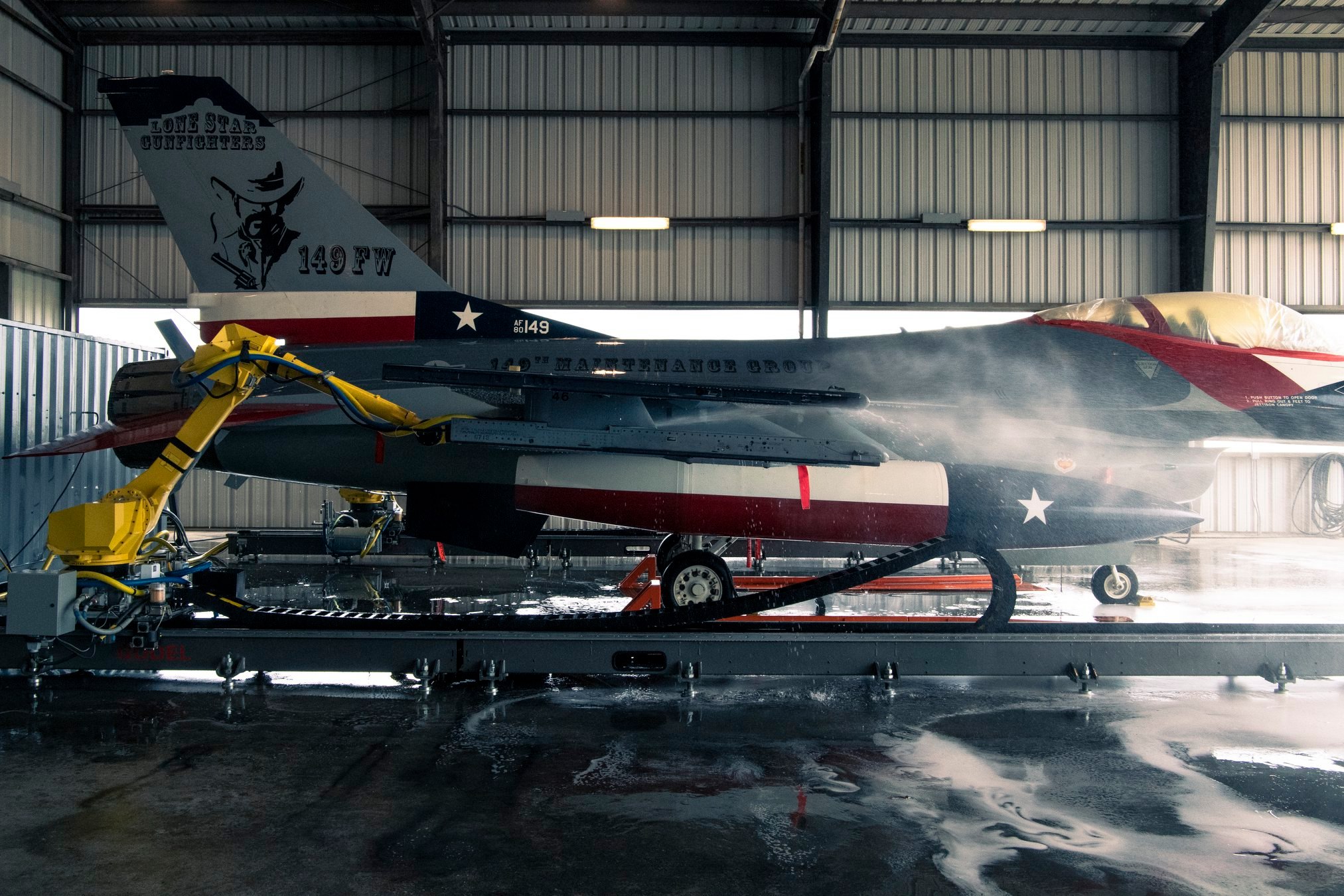
Before founding Wilder Systems, Will Wilder worked as a controls engineer in the aerospace industry, where he gained insight into the challenges of maintaining aircraft fuselages.
In 2019, the company began working with AFWERX and the DAF to explore applications of robotics in aircraft sustainment. In 2021, Wilder Systems received a Phase I Small Business Innovation Research contract to develop an automated process for removing rivets and replicating drill-hole patterns on sheet metal.
The effort progressed to Phase II, during which the company developed a prototype in collaboration with the Rapid Sustainment Office. In 2022, Wilder Systems received a nearly $1.8 million Tactical Funding Increase (TACFI) to further mature the technology in partnership with the 509th Bomb Wing and Air Force Global Strike Command.
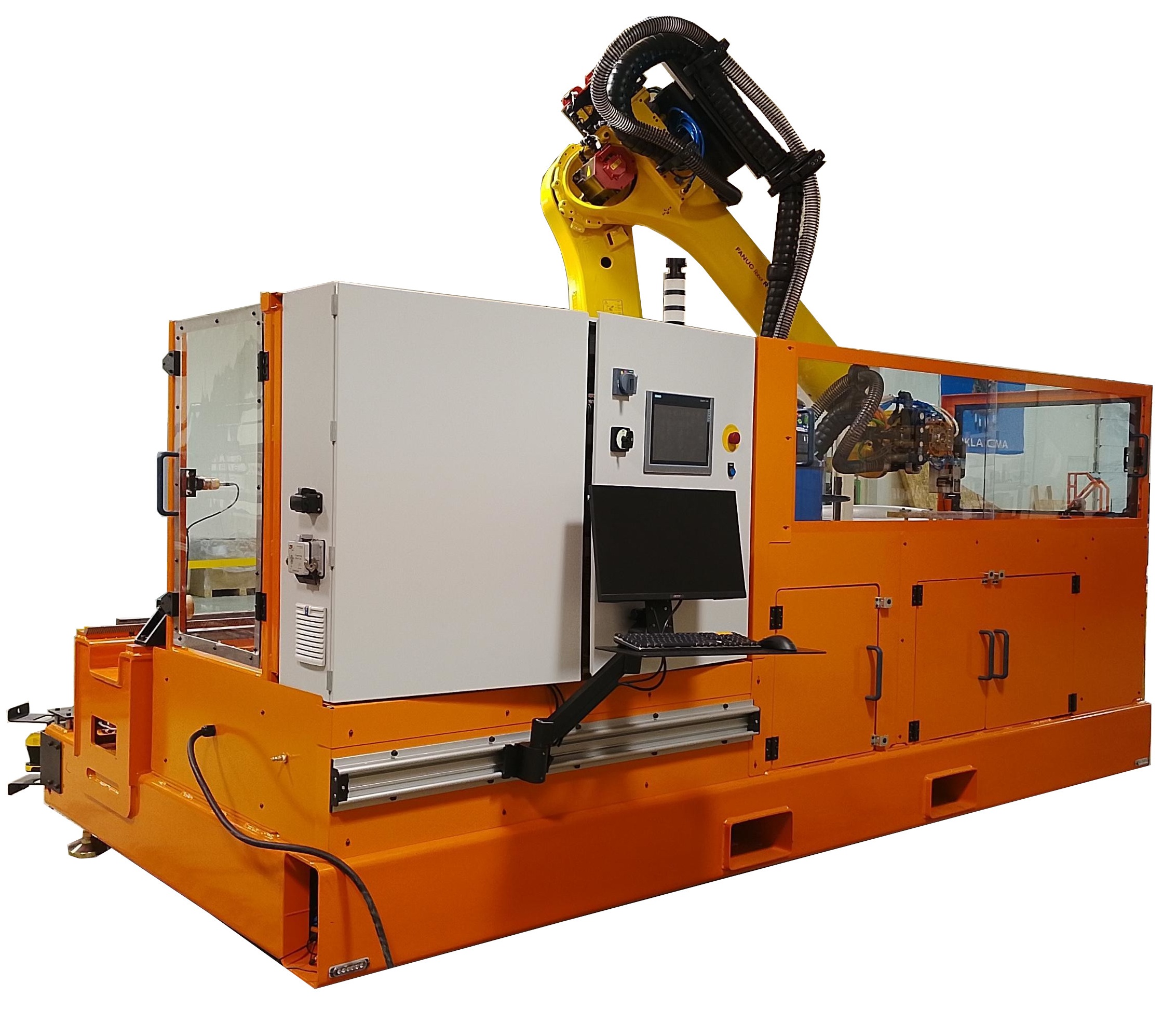
The company has since tested its Agile Manufacturing Robot system at the Oklahoma City Air Logistics Complex. During testing on B-52 engine cowlings, the system was used to remove rivets and drill new holes as part of scheduled maintenance.
A technical order allocated 108 hours for the repairs, including defastening and drilling as well as corrosion mitigation. While 91 hours were designated specifically for rivet removal and drilling, the system completed those tasks in 59 hours, a 35 percent reduction in time compared to manual methods.
The system successfully removed 4,639 of 5,514 fasteners, or 84 percent. The remaining fasteners were intentionally left in place due to access limitations. In additional testing, the system demonstrated the ability to remove undamaged steel fasteners on a B-1 aircraft component without requiring rework.
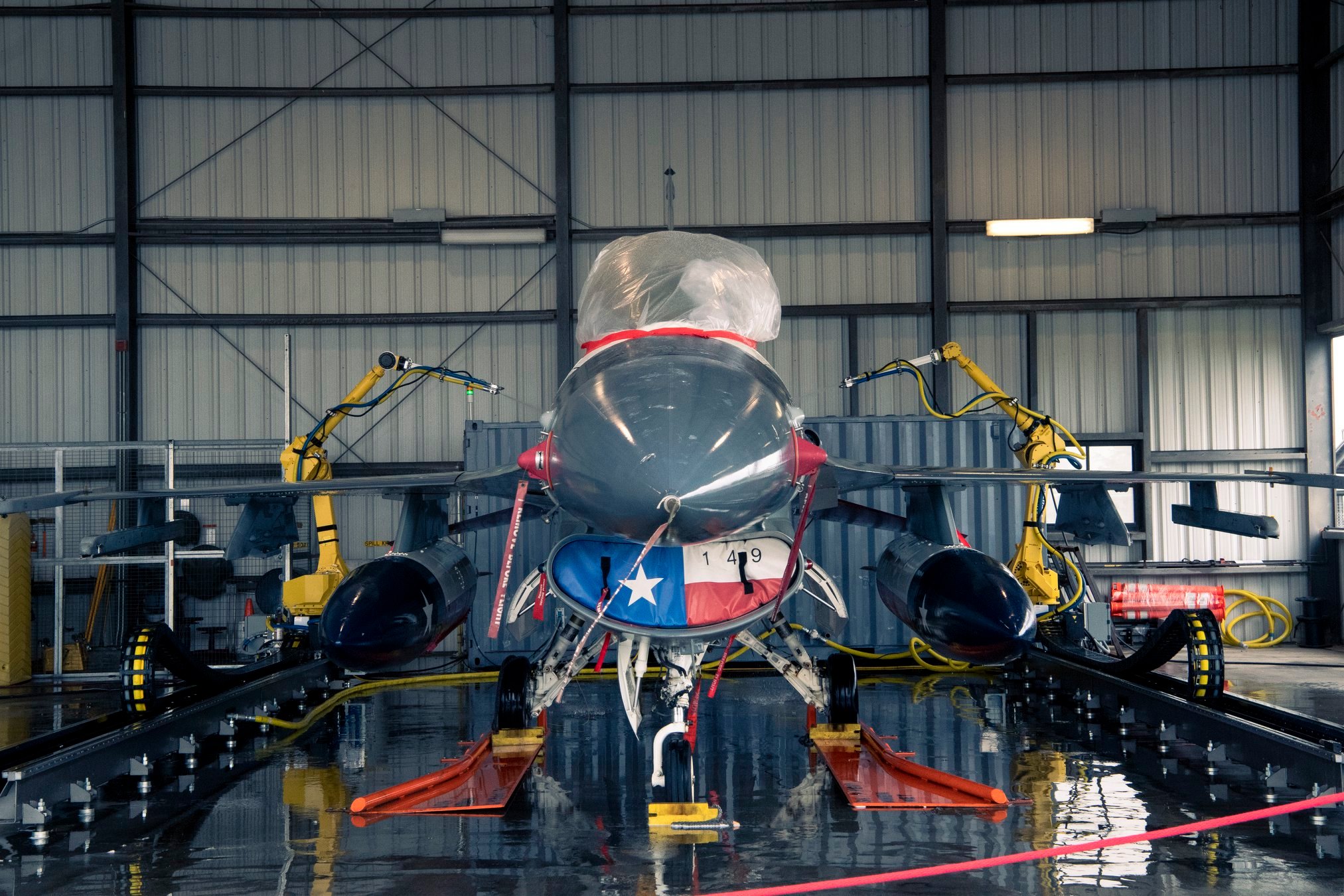
Building on these results, the Phase II effort led to a three-year, $32.5 million Strategic Funding Increase (STRATFI) to deliver 10 systems and associated process engineering support. The company is also developing artificial intelligence-enabled capabilities for tasks such as rivet removal and non-destructive inspection.
Since first engaging with AFWERX, Wilder Systems has received eight Phase I contracts totaling $672,014 and seven Phase II contracts worth $8.6 million, not including the STRATFI award. The company has grown to 125 employees with operations in California, Oklahoma and Texas.
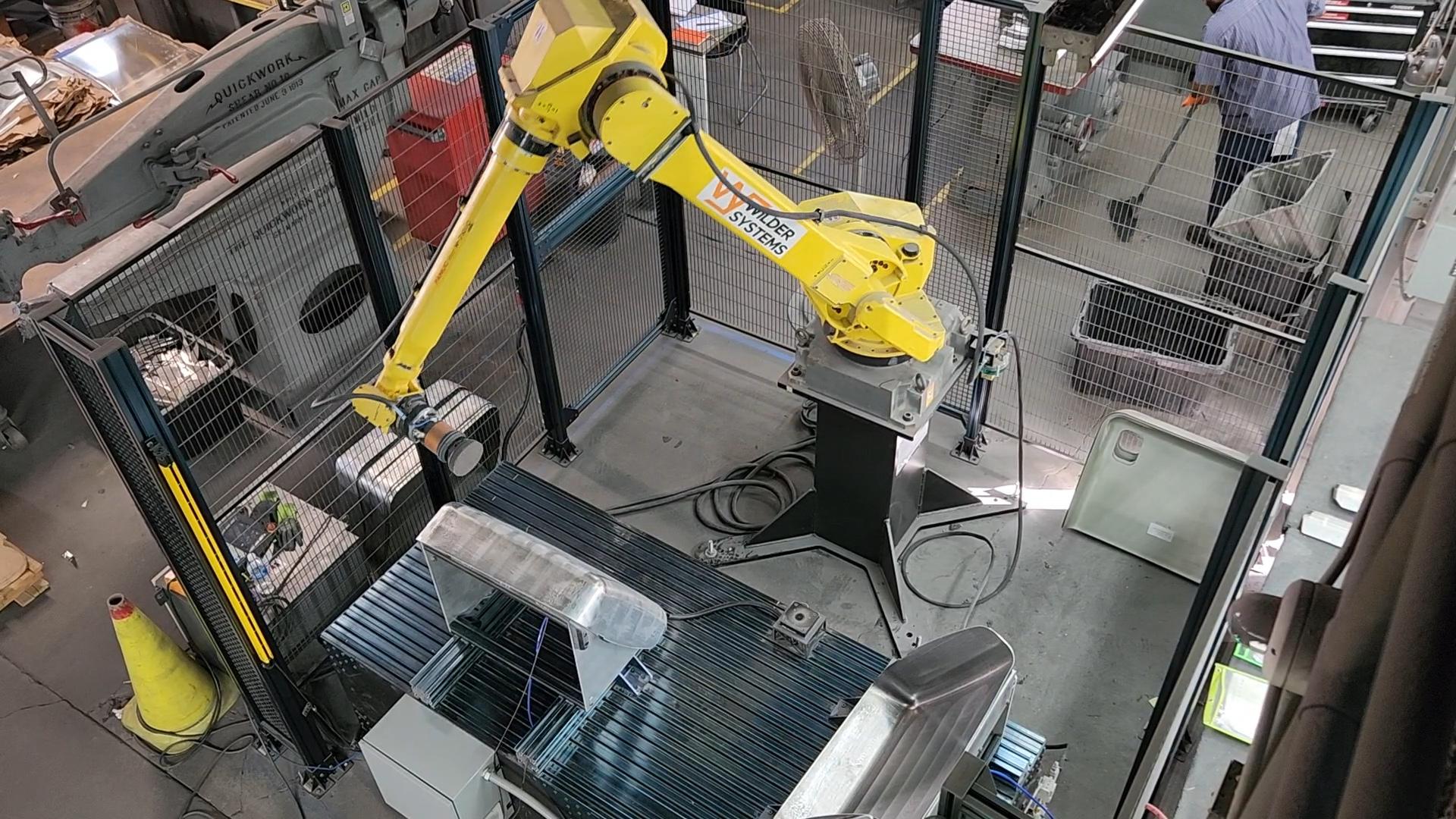
Wilder Systems’ work highlights how AFWERX programs support collaboration between the Department of the Air Force and industry to address maintenance challenges. Through phased funding and partnerships with operational units, the effort demonstrates an approach to developing and transitioning technologies aimed at improving efficiency and readiness across the force.
*Disclaimer: References to non-federal entities do not constitute or imply Department of War or Air Force endorsement of any company or organization.
About AFWERX
As the innovation arm of the DAF and a directorate within the Air Force Research Laboratory, AFWERX brings cutting-edge American ingenuity from small businesses and start-ups to address the most pressing challenges of the DAF. Headquartered at Wright-Patterson Air Force Base, Ohio, AFWERX employs military, civilian and contractor personnel executing an annual $1.4 billion annual budget. Since 2019, AFWERX has awarded over 10,400 contracts worth more than $7.24 billion to strengthen the U.S. defense industrial base and drive faster technology transition to operational capability. For more information, visit: afwerx.com.