
AFWERX, SpaceWERX SBIR/STTR Program Supports Long-duration Power Research for Future Space Missions
EL SEGUNDO, Calif. — The Department of the Air Force relies on satellite capabilities to execute missions worldwide. Space-based missile warning systems provide warfighters with real-time intelligence and secure communications to help defend against adversaries. Infrared sensors operating in high-altitude orbits detect heat signatures associated with ballistic missile launches and nuclear detonations. This capability provides early warning and enables military leaders to make timely operational decisions.
Satellite systems also support mission planning by providing environmental data used across the joint force. Accurate assessments of environmental conditions, including weather patterns, are essential to mission success. Satellite systems provide atmospheric data that support both ground and air combat readiness. Without this information, warfighters may be more vulnerable to adversary actions.
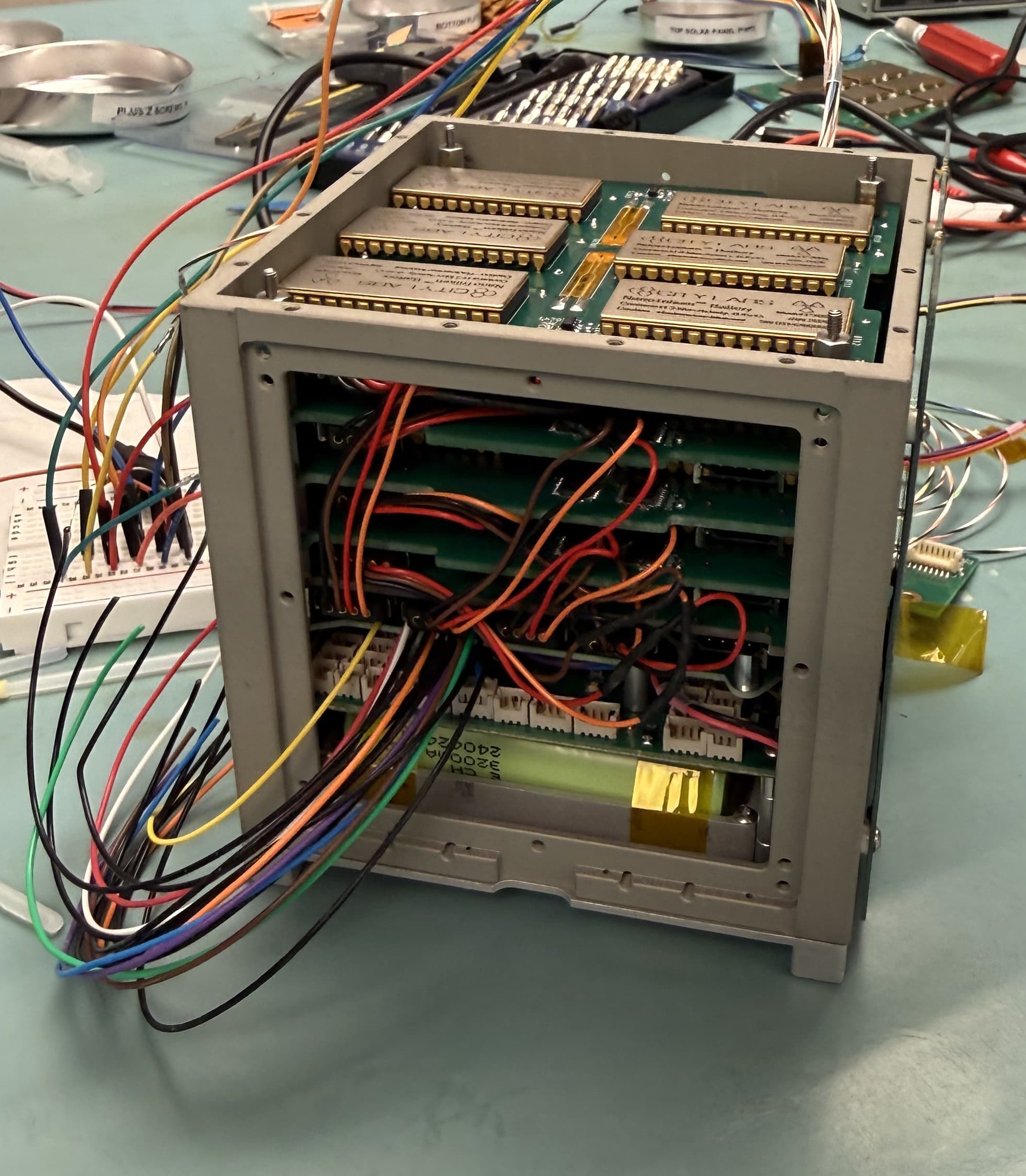
Despite their importance, Air Force and Space Force missions face operational limitations due to the finite lifespan of satellite systems. Increased global threats demand effective mission planning and reliable access to advanced technology throughout all phases of operations.
Meeting those mission requirements depends, in part, on the reliability and longevity of satellite power systems.
Extreme temperatures, radiation exposure and eclipse conditions can degrade system performance over time. Conventional satellites rely heavily on solar energy and conventional battery technologies that gradually lose capacity, reducing mission endurance.
Current satellite power systems typically support operations for approximately 10 to 15 years. When satellites reach the end of their service life, replacement and redeployment efforts can create capability gaps. These gaps increase national security risks and may limit access to critical intelligence, communications and mission-essential data.
Advancing long-duration power systems
With support from SpaceWERX, City Labs Inc., a Florida-based developer of nuclear-powered energy technologies, is developing tritium-powered betavoltaic power technology intended to address these challenges.
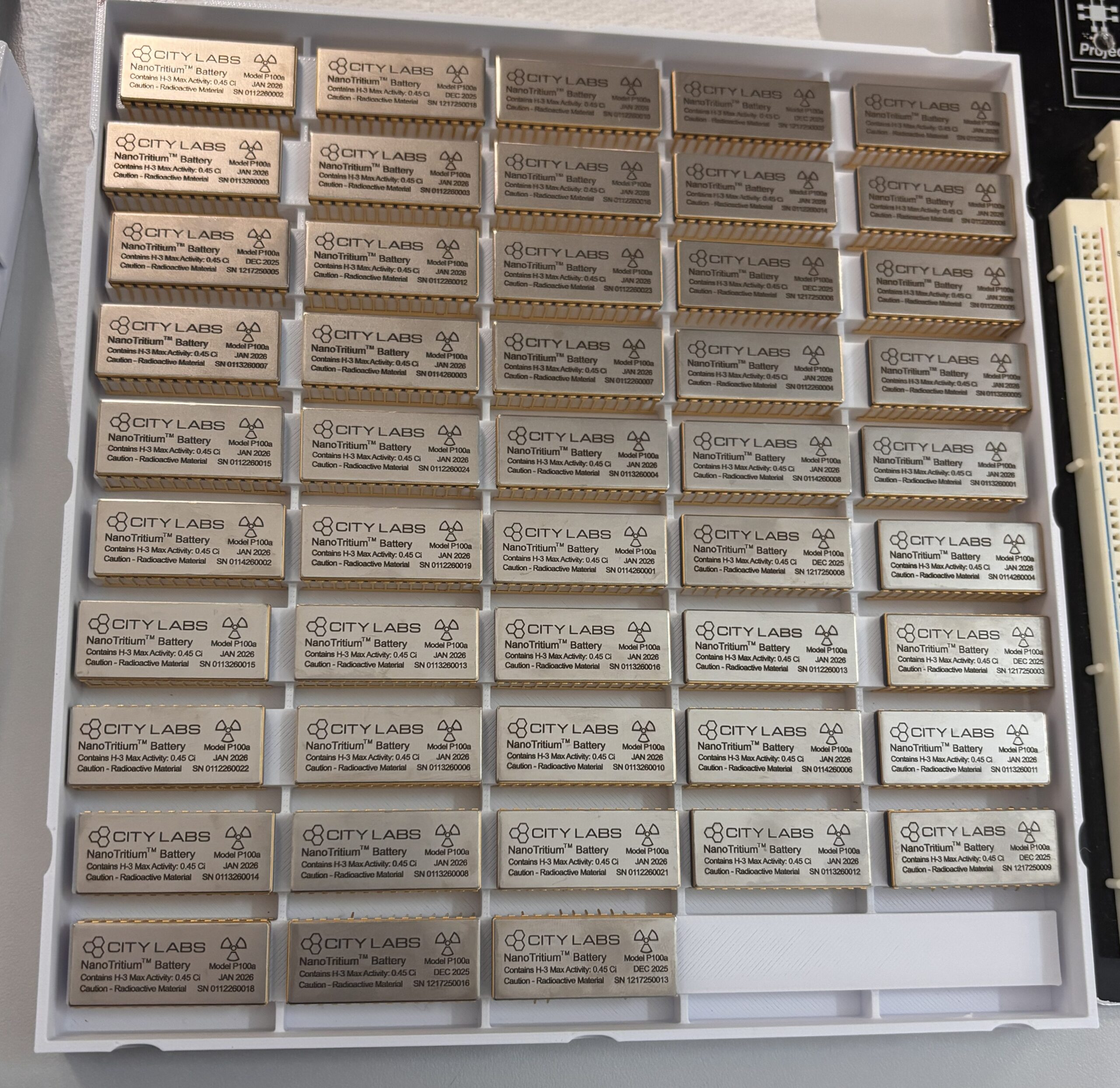
According to the company, the tritium-powered betavoltaic power source is designed to serve either as a primary power source for long-duration autonomous systems or as a secondary or auxiliary power source for higher-power platforms. The technology is intended to provide continuous power for more than 20 years without recharging, routine maintenance or dependence on solar illumination.
In 2023, SpaceWERX awarded City Labs a $1.7 million SBIR Direct-to-Phase II contract to adapt tritium-powered batteries for Communications Security (COMSEC) systems. According to the company, the batteries operate at the nanowatt power level and are intended to provide more than 20 years of circuit-board standby power, reducing the need for replaceable lithium batteries.
In 2025, City Labs was awarded a $1.9 million SpaceWERX Tactical Funding Increase (TACFI) contract to enhance a tritium power source for autonomous sensing systems. This effort is intended to support long-duration sensing applications and improve operational endurance.
Designed for long-duration operations, the tritium-powered betavoltaic power source can maintain critical functions, including health monitoring, communications, memory retention, and other essential subsystems, during power interruptions, eclipse periods, or degradation of primary power systems.
The battery is applicable to a broad range of systems, including satellites, unattended sensors, remote monitoring devices, defense systems, infrastructure monitoring, and other applications where long-life, resilient power is required. The continuous generation of power allows energy to be accumulated and used periodically for higher-power activities. This enables duty-cycled operation of payloads and sensors while maintaining long-term autonomous operation, even after conventional batteries would have reached the end of their service life.
The increased frequency of satellite replacement and launch operations increases operational costs and creates gaps in critical intelligence, surveillance, reconnaissance (ISR) and secure communications. By providing decades of power generation without recharging, the technology could reduce the need for battery replacement, maintenance visits, logistics support, and system downtime. For space systems, technology can help extend mission life and is intended to reduce the risk that a mission will end prematurely due to power system limitations.
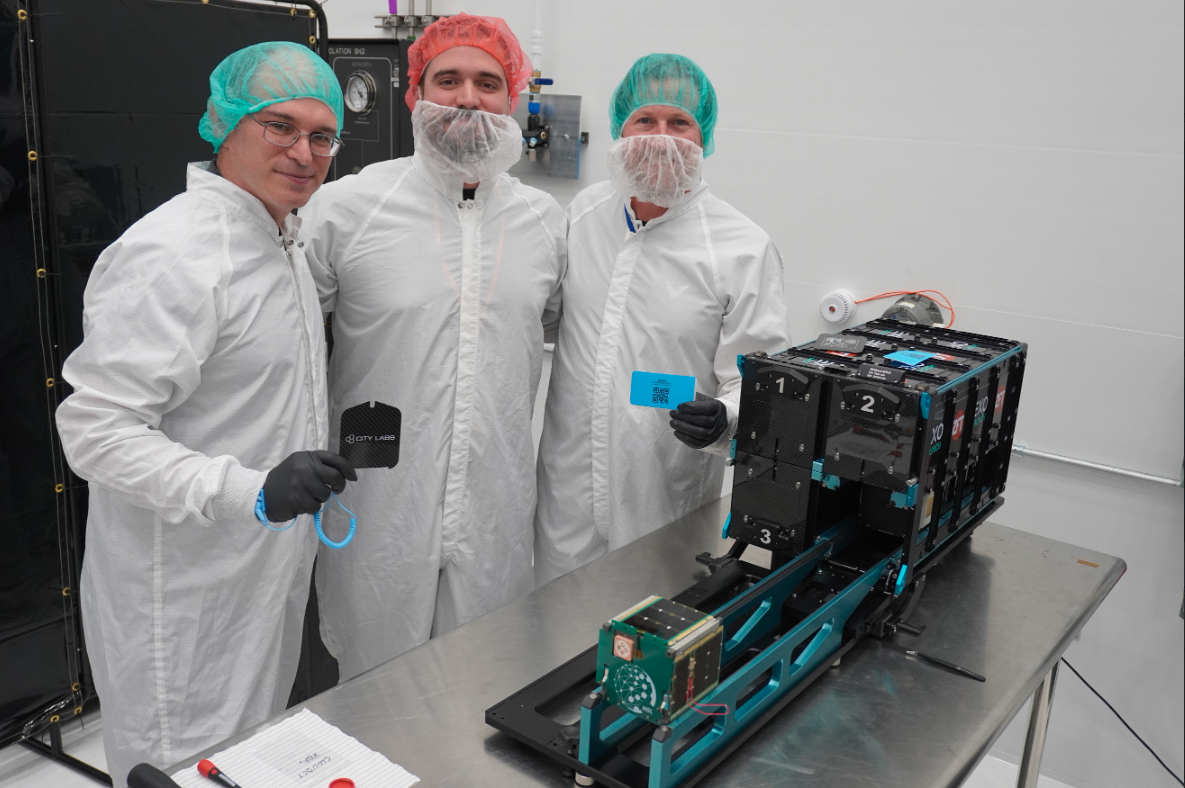
The primary transition partner identified under the TACFI effort is Lockheed Martin Space, which is expected to support future integration and demonstration activities for space-based applications. The project is currently progressing through the remaining TACFI technical milestones required to demonstrate a higher-power tritium-powered betavoltaic system capable of supporting autonomous sensing applications for decades.
Near-term efforts include completing device fabrication, tritium integration, system assembly, and performance validation activities required to demonstrate a resilient, maintenance-free power source for SDA, ISR, and other persistent sensing missions. Resources needed include continued TACFI funding for semiconductor fabrication, tritium loading and testing infrastructure, integration activities, environmental testing, and future flight demonstration opportunities.
AFWERX and SpaceWERX support the Department of the Air Force’s efforts to identify, mature and transition emerging technologies that address future mission needs. Through programs such as SBIR and TACFI, they provide pathways to evaluate commercial technologies with potential defense applications.
*Disclaimer: References to non-federal entities do not constitute or imply Department of War or Air Force endorsement of any company or organization.